Coffee Conquers the Americas and Sparks an Age of Innovation
As coffee culture flourished in Europe, its journey was far from over. The final chapters of its global expansion were written in the Americas, where tales of diplomatic intrigue, revolution, and brilliant innovation would transform coffee into the beloved beverage we know today.
How a Secret Affair Brought Coffee to Brazil
The story of how Brazil became the world's coffee powerhouse begins not with a trade deal, but with a tale of diplomatic intrigue and a secret love affair. The Brazilian emperor sent a trusted Lieutenant Colonel to French Guyana to settle a border dispute. During his stay, he had an affair with the French Governor's wife.
As a parting gift, she presented him with a bouquet of flowers, secretly hiding fertile coffee seedlings within. The Lieutenant Colonel returned to Brazil and planted them, unknowingly launching an agricultural empire. The plants thrived in the Brazilian climate, spreading across the country and establishing Brazil as the world's leading coffee producer.
Coffee's Role in the New World
- Colombia:
- The United States:
- An Era of Coffee Innovation:
- The Pump Percolator (1827):
- The Espresso Machine (1901):
- Soluble Coffee (1906):
- A Revolution in Taste:
In 1758, a Jesuit priest named Father Vasquez is credited with introducing coffee to Colombia, laying the groundwork for another of the world's most famous coffee-growing regions.
America began as a nation of tea drinkers. However, the Boston Tea Party of 1773 marked a pivotal turning point. As a patriotic act of rebellion against the British Crown, Americans largely abandoned tea in favor of coffee. This cultural shift cemented coffee's place as one of the nation's favorite beverages.
Reinventing the Brew
By the 19th century, coffee was a global commodity. With its widespread popularity came a new focus: improving the way it was brewed. This era saw a wave of inventions that forever changed the coffee experience.
Invented in France, this was one of the first devices designed to automate and simplify the brewing process.
In Italy, Luigi Bezzerra patented the first single-shot espresso machine, a revolutionary invention designed to quickly brew a strong, concentrated cup of coffee for customers in a hurry.
An English chemist in Guatemala made an accidental discovery when he noticed a fine, powdery coffee deposit on the spout of his coffee pot. He replicated the process, creating the world's first "instant coffee," which was marketed as Red E Coffee.
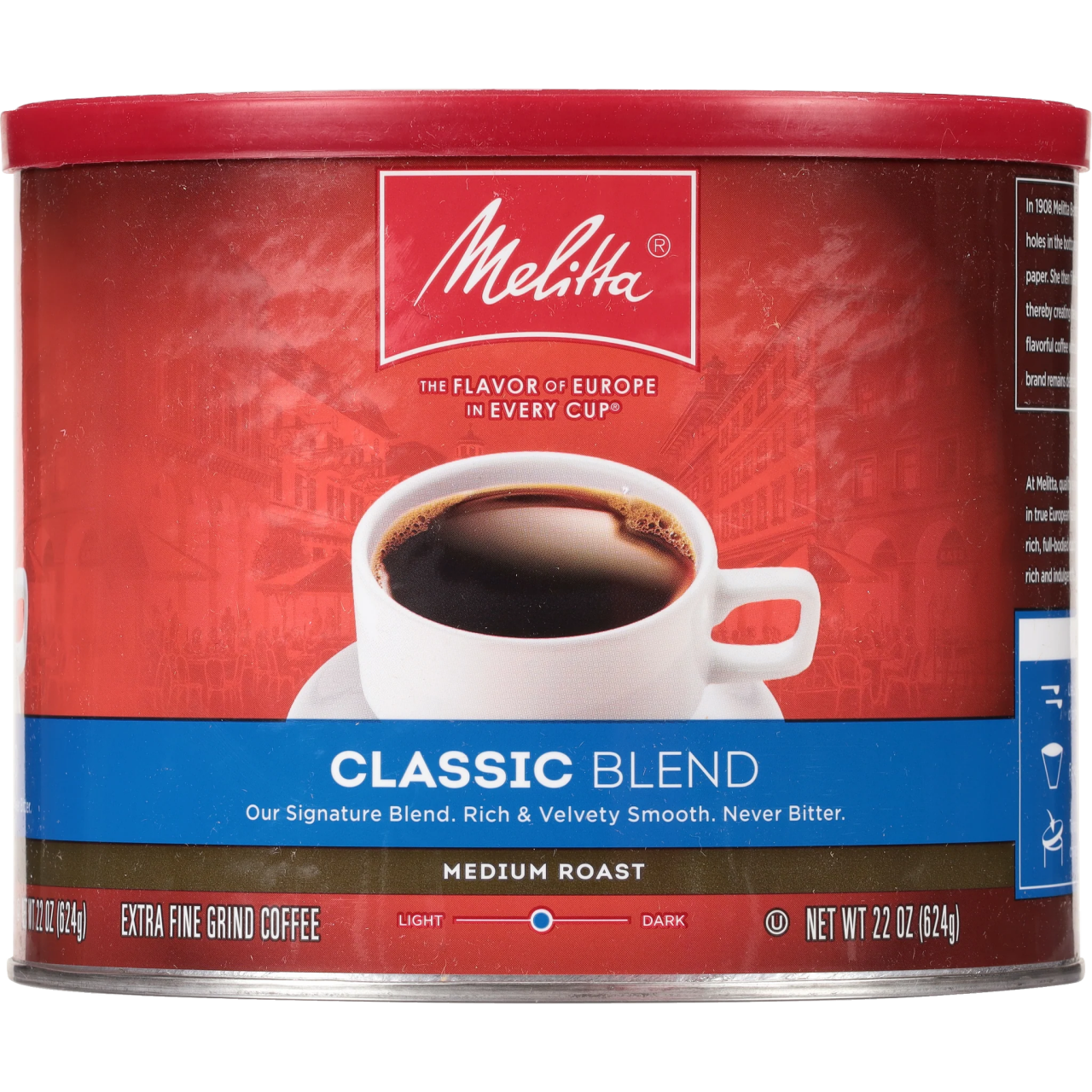
The Melitta® Paper Filter
One of the most significant innovations came from a German homemaker who was simply tired of bad coffee. In 1908, Melitta Bentz was frustrated with the bitterness and gritty sediment left by the brewing methods of her time, which involved boiling loose grounds in a cloth bag.
Determined to find a better way, she took a brass pot from her kitchen and punched holes in the bottom. Then, she took a piece of blotting paper from her son's schoolbook and fitted it inside the pot. She added ground coffee and poured hot water over it.
The result was revolutionary: a perfectly clean, flavorful, and aromatic cup of coffee, free of bitterness and sediment. This simple yet brilliant invention was the birth of the Melitta Company and the pour-over coffee filter. Melitta Bentz is recognized today as the inventor of the cone filtration system—a method still considered by experts to be one of the best ways to brew coffee.