The Complex Characteristics of Coffee
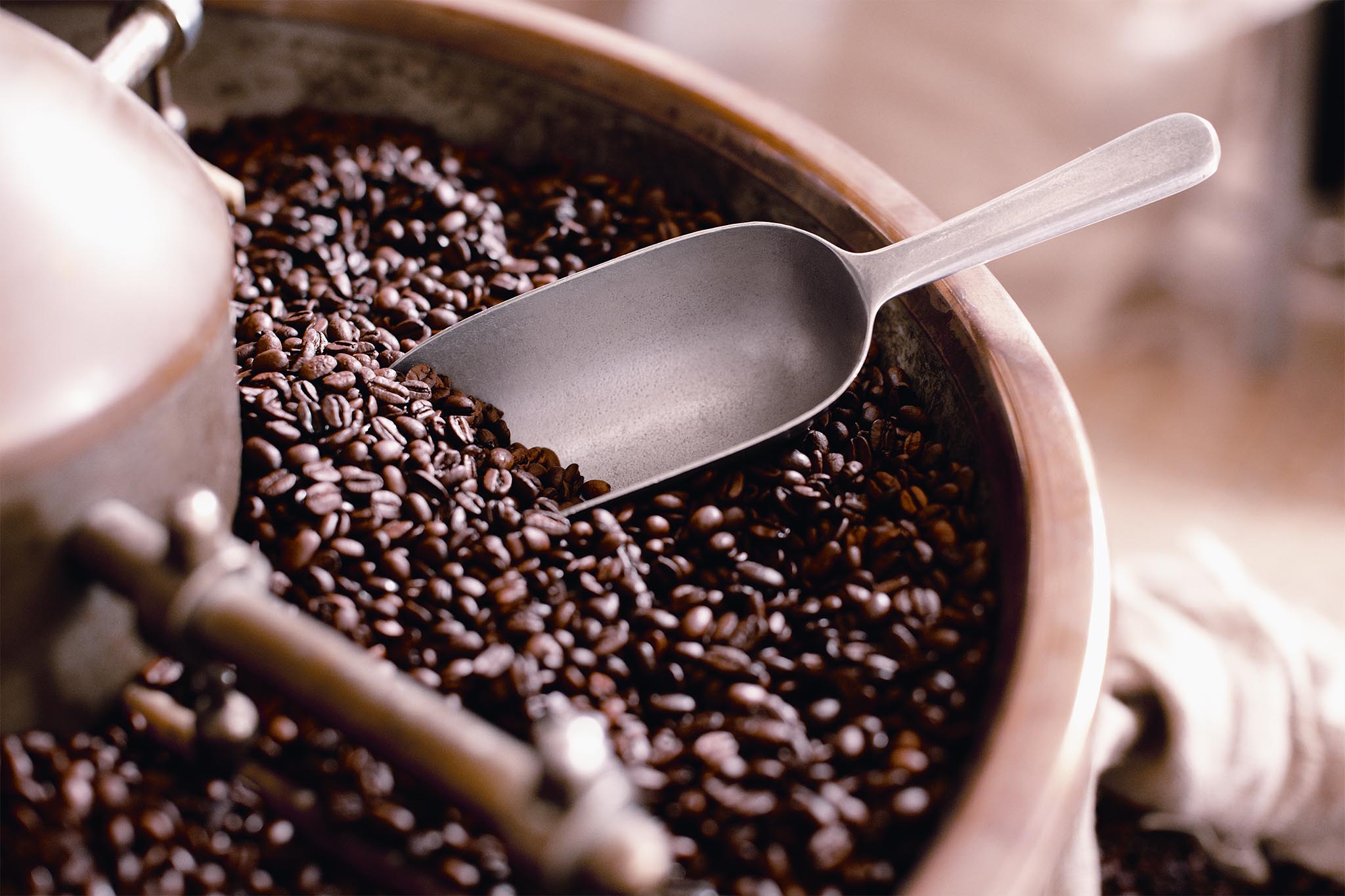
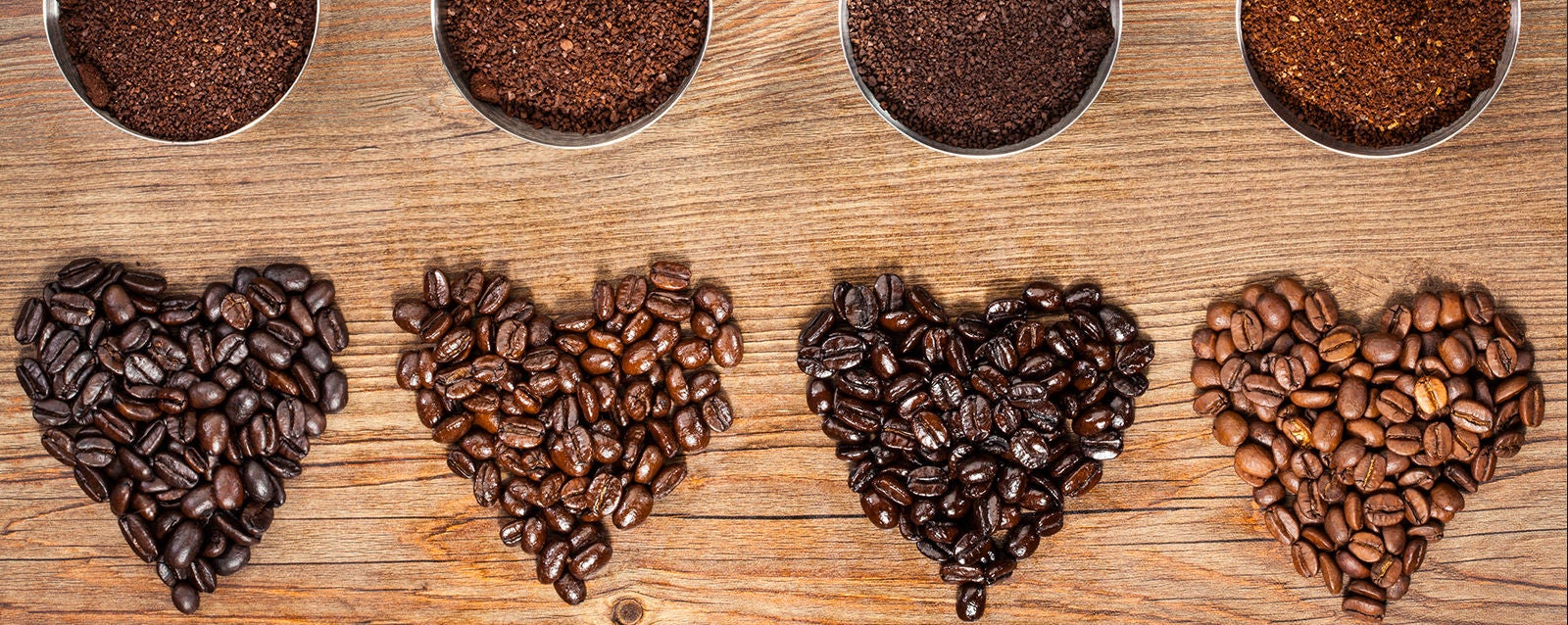
What gives coffee its captivating aroma and rich, complex flavor? The magic happens during the roasting process. A raw, green coffee bean holds the potential for flavor, but it's the roaster's art that unlocks the approximately 800 aromatic compounds hidden within. This transformation makes roasted coffee one of the most aromatic foods in the world.
Beyond the caffeine that provides its signature kick, a coffee bean is a complex package of carbohydrates, acids, oils, and minerals. But the true stars of the show are the two main species that dominate the global coffee market: Arabica and Robusta.
The Two Stars of the Coffee World: Arabica vs. Robusta
All coffee comes from plants belonging to the Coffea genus. While thousands of species exist, only two have achieved commercial stardom. Genetically distinct, these two plants offer vastly different experiences in the cup.
Arabica (C. arabica): The Soul of Specialty Coffee
Accounting for over 75% of the world's coffee production, Arabica is the bean behind most of the high-quality, specialty coffee you'll find. It is celebrated for its nuanced, aromatic, and complex flavor profiles.
Growing Conditions: Arabica is a sensitive plant that demands specific conditions to thrive. It grows best in the "Bean Belt"—the equatorial zone between the Tropics of Cancer and Capricorn.
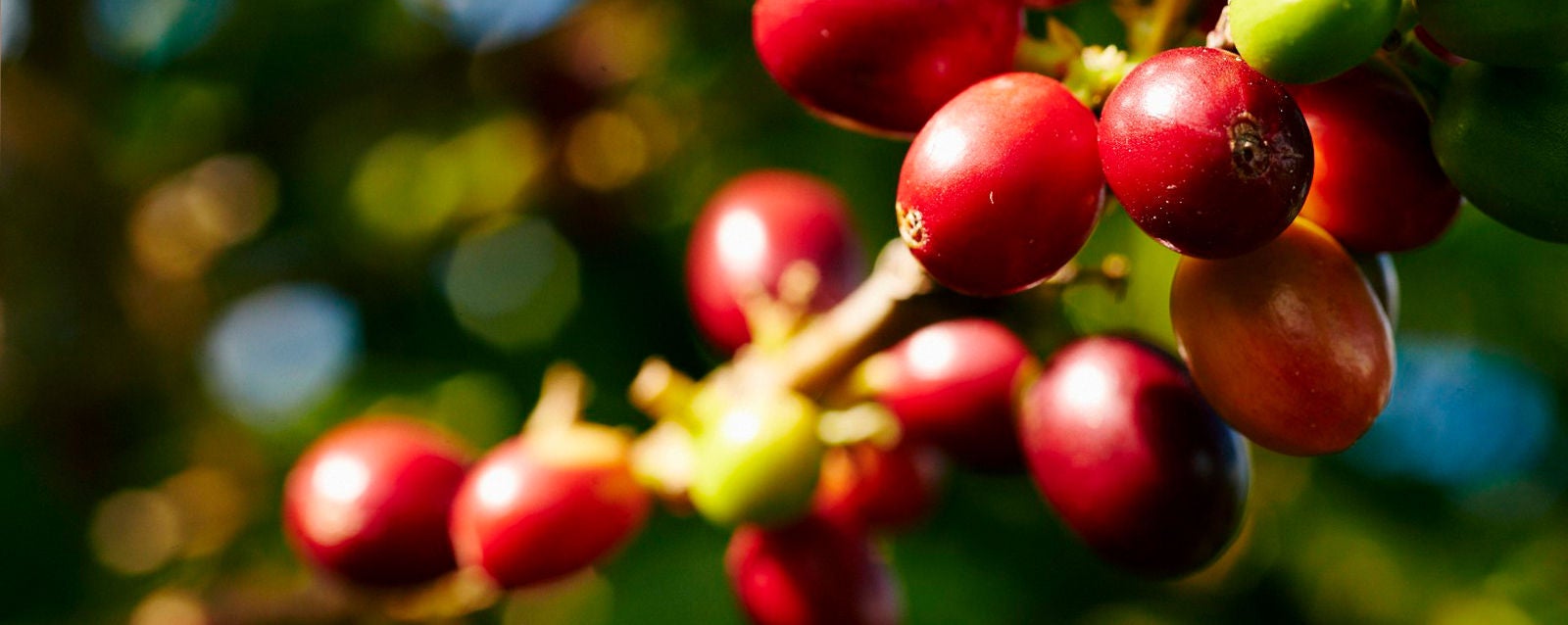
Altitude: Typically grown at high altitudes between 3,000 and 6,000 feet, where cooler temperatures slow the cherry's maturation, leading to more concentrated and complex flavors.
Climate: Requires a delicate balance of sun, shade, and rain. The best-tasting varietals are often grown in partial shade on volcanic soil, which is rich in nutrients.
Key Regions: Predominantly grown in Latin America (Colombia, Brazil, Guatemala) and Eastern Africa (Ethiopia, Kenya).
Flavor Profile: The taste of Arabica coffee is incredibly diverse and is heavily influenced by its terroir (the soil, climate, and altitude). Common flavor notes include:
- Fruity & Floral: Bright, acidic notes like citrus or sweet hints of berries (e.g., the classic blueberry notes in an Ethiopian Harrar).
- Sweet & Chocolaty: Smooth, rich flavors of chocolate, caramel, or nuts.
- Earthy & Spicy: Deeper, more savory notes often found in Indonesian coffees.
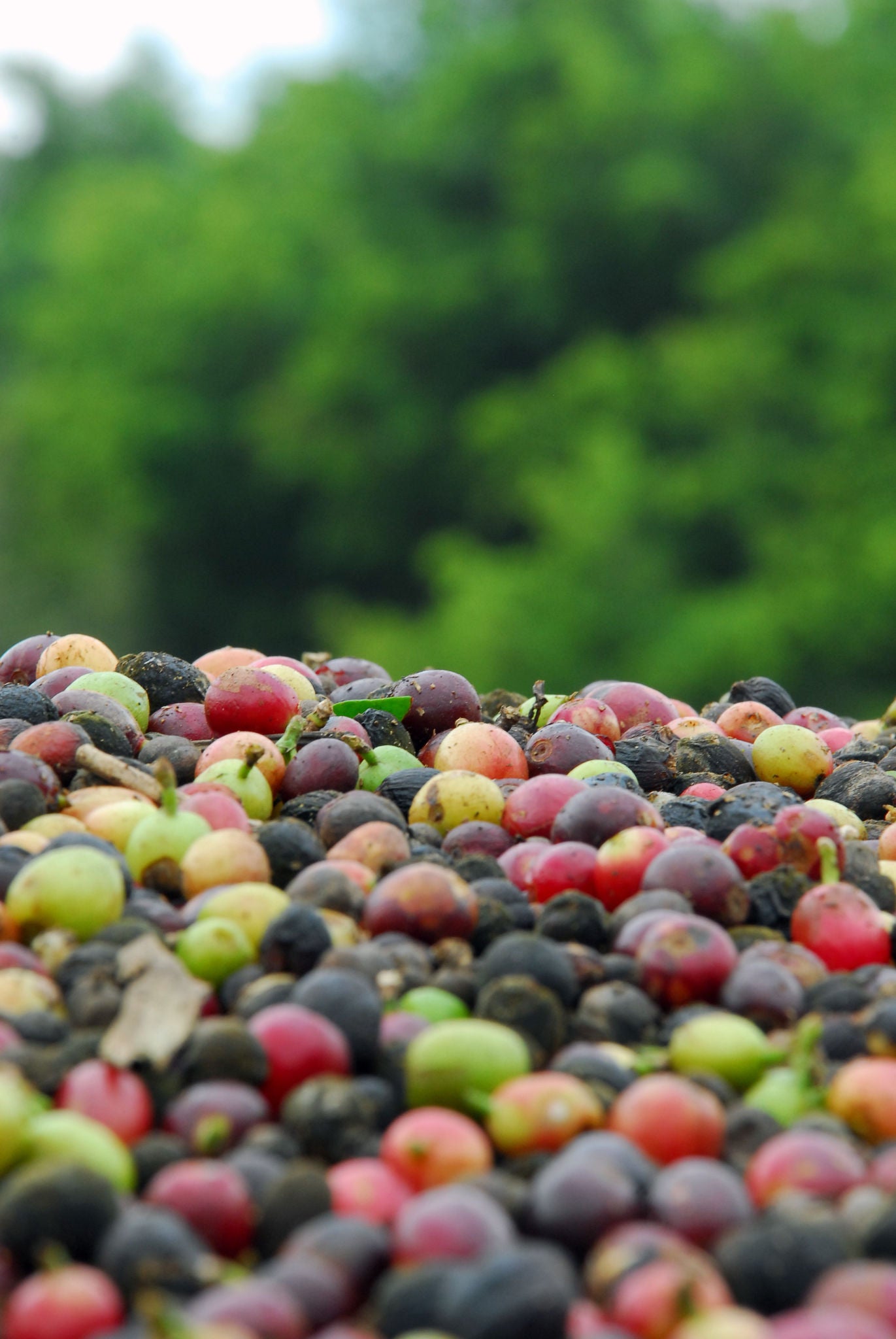
Robusta (C. canephora): The Bold and Powerful Bean
Making up the remaining 25% of global coffee production, Robusta is prized for its hardiness, high yield, and bold, powerful flavor. As its name suggests, it is a more resilient and "robust" plant than Arabica.
Growing Conditions: Robusta is a much hardier plant that can flourish in hotter climates and at lower altitudes, from sea level up to 2,000 feet.
Climate: Thrives in the hot, humid climates of West Africa and Southeast Asia.
Resilience: It is more resistant to diseases and insects, and its crop yield is nearly double that of Arabica.
Key Regions: Primarily grown in Vietnam, Brazil, and Indonesia.
Characteristics and Uses: Robusta beans are known for a few key characteristics:
- High Caffeine: Contains nearly twice the caffeine content of Arabica, delivering a powerful punch.
- Strong Flavor: Offers a bold, strong, and often "rubbery" or "chocolaty" flavor profile with low acidity.
- Common Uses: Because of its intense flavor and high caffeine, Robusta is a key component in espresso blends (where it helps produce a thick, stable crema) and is widely used in the production of instant and soluble coffee.