The Perfect Climate for Coffee
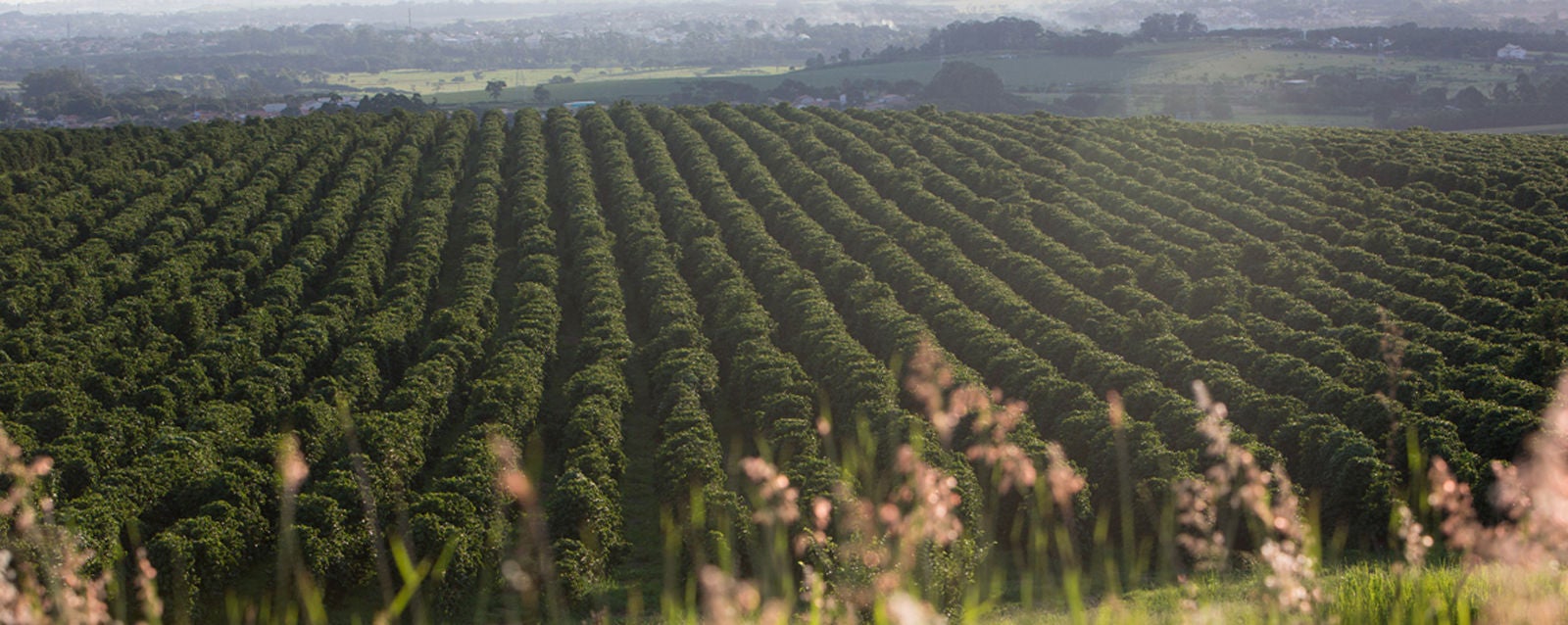
Why doesn't coffee grow just anywhere? The answer lies in its need for a unique set of climatic conditions found only in a specific band around the globe known as the "Bean Belt." This lush, equatorial region, nestled between the Tropic of Cancer and the Tropic of Capricorn, is home to the more than 50 countries that cultivate the world's coffee supply. From the mountains of Central and South America to the highlands of Africa and the volcanic islands of Asia, these regions share the perfect formula for growing exceptional coffee.
The Ideal Conditions for a Thriving Coffee Plant
The coffee plant is notoriously sensitive and places high demands on its environment. It's a delicate balancing act that requires a combination of specific factors to produce high-quality beans. The ideal growing conditions include:
Tropical Temperatures: A consistent, frost-free climate with average temperatures between 68°F and 75°F.
Balanced Sunlight and Rain: Coffee trees need plenty of light and heat, but too much direct sun can be harmful. This must be balanced with regular, ample rainfall—typically 60–80 inches per year.
Frost-Free Environment: Even temperatures dropping to 50°F can negatively impact the plant. A single frost can destroy an entire harvest, which is why coffee thrives in these stable, tropical climates.
This sensitivity is why different countries, like Brazil, Kenya, and India, specialize in growing different coffee varieties that are best suited to their specific local climates.
The Secret of High-Altitude Coffee:
Why Elevation Equals Flavor
The world's best-tasting coffee beans, particularly from the Arabica species, are almost always grown at high altitudes. While cultivating coffee on the steep, often impassable terrain between 4,000 and 9,000 feet is incredibly challenging, the reward is found in the cup.
So, what makes high-altitude coffee so special? The secret lies in a slower maturation process.
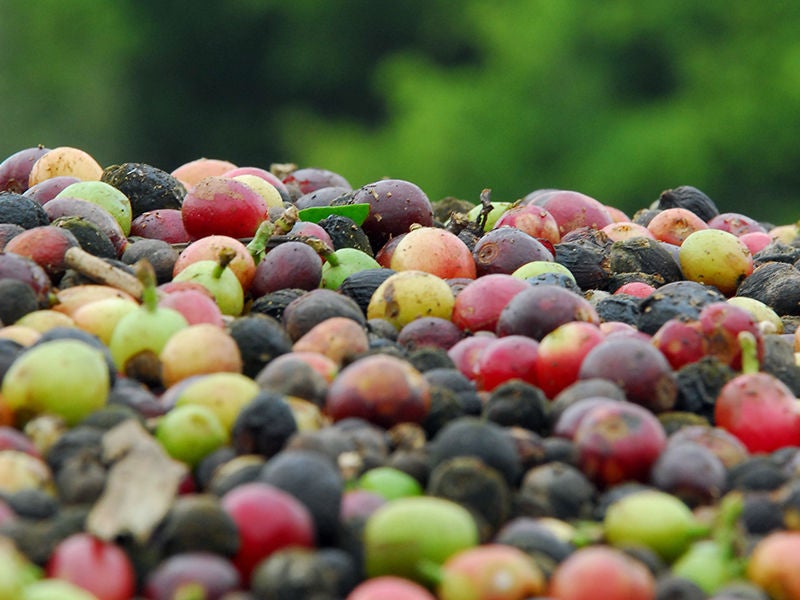
At these higher elevations, the cooler temperatures cause the coffee cherries to ripen much more slowly. This extended development time allows the beans inside to develop a higher concentration of the complex sugars and aromatic compounds that create the nuanced and vibrant flavors we associate with specialty coffee. The result is a more acidic, aromatic, and flavorful bean—the hallmark of a truly exceptional highland coffee.