The Life of the Coffee Plant
Every great cup of coffee begins its journey as a vibrant, evergreen tree native to the lush highlands of Northern Africa. This remarkable plant is the source of the beloved coffee bean, but its life cycle, from a fragrant flower to a ripe fruit, is a fascinating story of nature, cultivation, and care.
The Coffee Tree: More Than Just a Bush
While the coffee plant is technically a tree that can grow up to 30-40 feet tall, it is almost always pruned to the size of a manageable shrub (6-9 feet). This practice is essential for an effective harvest, as the coffee cherries are picked by hand.
A mature coffee plant is a generous producer. In a single year, it can yield between 11-17 pounds of coffee cherries. Once processed, these cherries will provide 1-5 pounds of the dried coffee beans that are ready for roasting.
The Art and Science of Coffee Cultivation
The flavor profile of a coffee bean is not an accident; it is a direct reflection of its environment—a concept often referred to as terroir. Several key factors influence the final taste in your cup:
- Soil: The mineral content and composition of the soil.
- Climate: The temperature, rainfall, and sunlight the plant receives.
- Altitude: Higher altitudes often produce denser, more complex beans.
- Surrounding Plants: Nearby flora can impart subtle notes to the coffee.
Coffee cultivation is a long-term commitment. Most plants start in nurseries for 6-18 months before being transplanted to the field. It then takes another three to five years for the tree to produce its first crop, with peak yields occurring after 6 to 8 years.
The Coffee Cherry and the Precious Bean
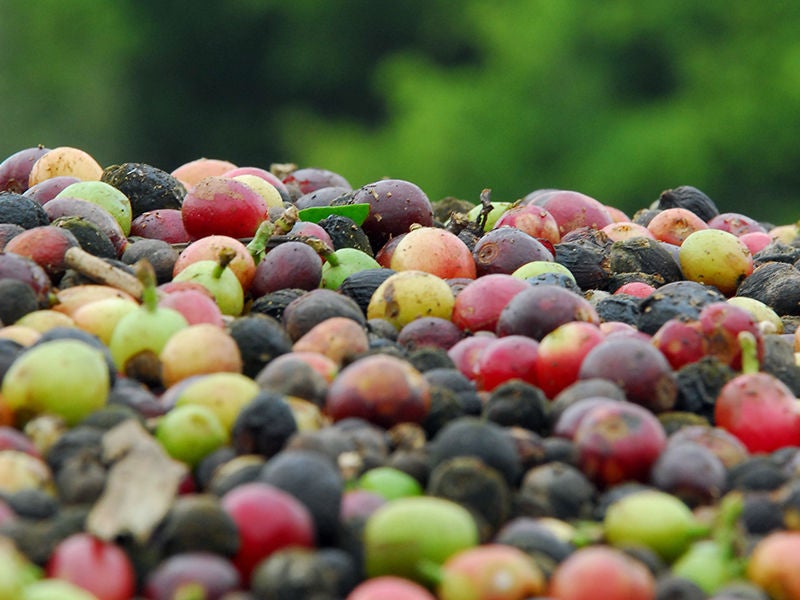
The "coffee bean" is actually the seed found inside the coffee plant's fruit, known as the "cherry." These cherries ripen from a vibrant green to a deep, glossy red.
Typically, each cherry contains two beans nestled together. However, in about 5-10% of cherries, only a single, rounded bean develops. This unique, smaller bean is called a "peaberry" and is often prized by coffee connoisseurs for its distinct flavor.
Challenges in Modern Coffee Farming
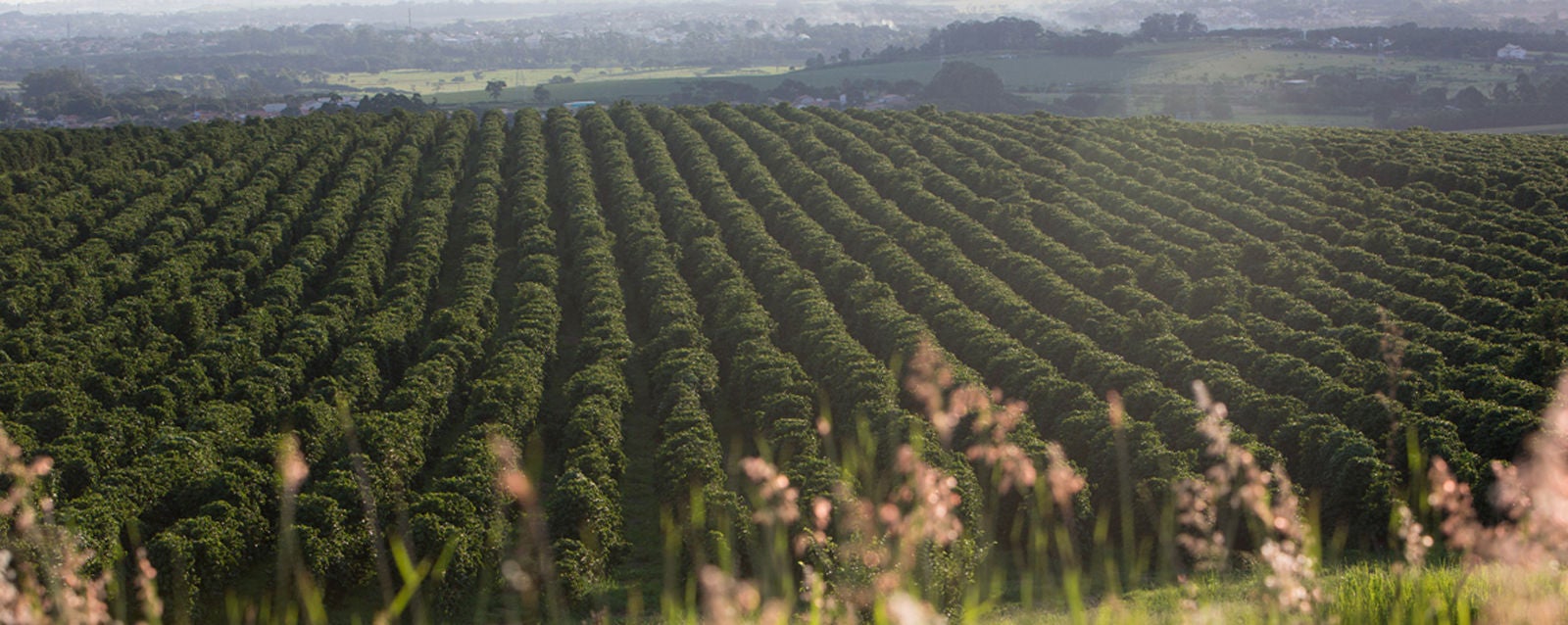
Worldwide, approximately 25 million acres are dedicated to coffee cultivation, primarily in tropical and sub-tropical regions. However, maintaining a healthy and productive coffee farm requires constant vigilance. Growers must manage a variety of challenges, including:
Plant Management: Regular pruning, fertilization, and weed control are crucial for maximizing yields.
Natural Threats: Coffee trees are vulnerable to climatic shifts, insect infestations, and devastating plant diseases like coffee leaf rust and coffee berry disease (CBD).
Successfully navigating these challenges is key to producing the high-quality coffee that the world enjoys every day.